Understanding the Benefits of Welding Smoke Removal Systems
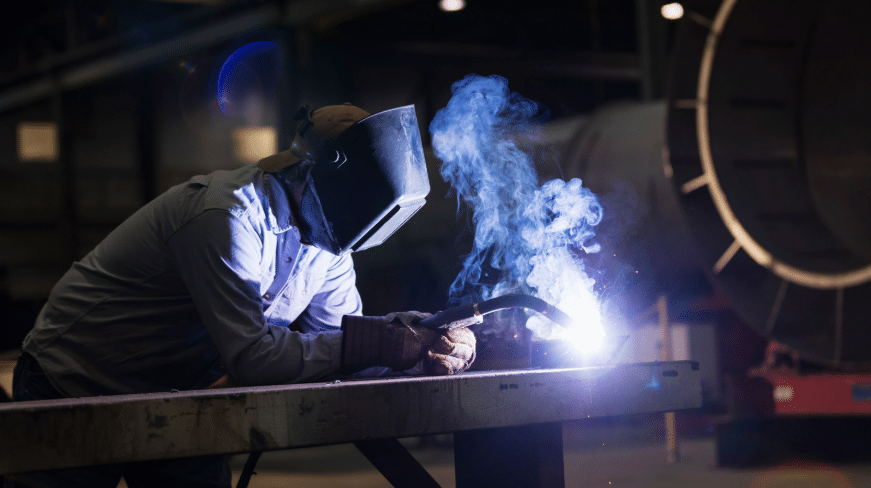
Welding environments often produce smoke, fumes, and airborne particles that can affect both comfort and long-term workplace safety. These contaminants may remain suspended in the air, especially in enclosed or high-activity fabrication spaces. For this reason, professional ventilation planning has become essential in modern industrial settings. Reliable welding smoke removal systems support cleaner airflow by reducing harmful exposure and improving overall working conditions from the start of daily operations.
Why Smoke Removal Matters in Welding Workspaces
Welding smoke contains fine particles and gases released during cutting, joining, and heating processes. Over time, repeated exposure to these airborne materials may contribute to respiratory irritation and reduced air quality throughout the shop. Even when smoke is not highly visible, it can still accumulate in the workspace and affect welders as well as nearby staff.
Smoke removal systems are designed to manage these risks by capturing fumes efficiently before they spread across the facility. Cleaner air supports better focus, improved visibility, and a safer environment where workers can perform tasks with fewer health concerns.
Key Benefits of Welding Smoke Removal Systems
Professional smoke removal systems offer targeted extraction that helps reduce airborne contamination at its source. This prevents fumes from lingering in shared work zones and supports healthier breathing conditions over time. These systems also help maintain a cleaner facility overall. When smoke is properly controlled, residue buildup on equipment, walls, and surfaces is reduced, contributing to better shop maintenance and long-term operational efficiency.
Improved Daily Comfort and Productivity
Air quality has a direct impact on worker comfort. Cleaner airflow reduces irritation, fatigue, and discomfort that may occur during long welding shifts. When the workspace remains clear of heavy smoke, welders can concentrate more effectively and maintain higher precision throughout the day.
Smoke removal is not only about immediate comfort but also about long-term health protection. Consistent ventilation reduces cumulative exposure to hazardous particles, helping facilities maintain safer conditions for workers year-round.
The Importance of Proper Extraction Planning
Effective smoke control depends on selecting the right extraction system for the shop’s layout and workload. Different welding environments require different airflow capacities, filtration levels, and placement strategies. Understanding why the fume extraction system is important helps explain how proper design supports safer industrial operations by removing contaminants before they circulate throughout the workspace. A well-planned system improves safety standards while supporting long-term efficiency in fabrication spaces.
Professional Systems as Part of Workplace Responsibility
Modern welding facilities increasingly recognize that air management is a core part of professional safety planning. Smoke removal systems demonstrate a commitment to protecting welders from unnecessary exposure and ensuring that the environment supports both health and performance. By investing in high-quality ventilation solutions, workplaces can reduce risks, improve overall air control, and maintain cleaner operational conditions across all welding zones.
Conclusion
Welding smoke removal systems play a critical role in maintaining cleaner and safer industrial environments. By capturing harmful fumes, improving air quality, and supporting worker wellbeing, these systems contribute to healthier daily operations and long-term workplace sustainability. With proper extraction planning and professional installation, welding spaces can remain productive while prioritizing safety and comfort throughout every shift.


