What Homeowners Should Know Before Installing a Household Elevator
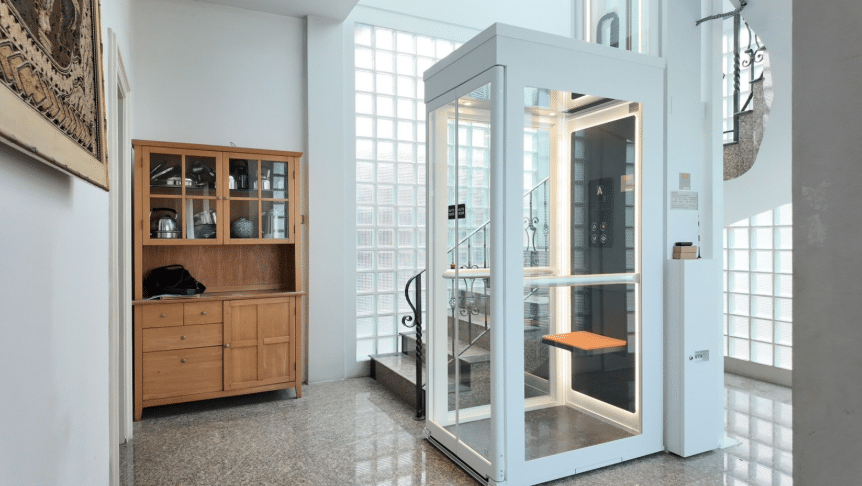
Deciding to integrate vertical transportation into a residence is a significant step that enhances both accessibility and property value. While the concept of gliding effortlessly between floors is appealing, the process involves careful planning and structural consideration. A modern household elevator acts as a permanent architectural feature that requires a dedicated footprint and precise integration with the existing framework of the building. Understanding the logistical requirements beforehand ensures that the project proceeds smoothly and results in a seamless addition to the living space.
Evaluating Structural and Space Requirements
Before any construction begins, it is essential to determine where the unit will fit within the floor plan and how the structure will support it. This phase relies heavily on the expertise of architects and professional installers to identify the optimal location. The hoistway is the vertical shaft where the elevator car travels, and it is arguably the most critical component of the installation. For new construction, architects can design this space from the ground up, but retrofitting an elevator into an existing home requires creative solutions. Common locations include stacked closets or the center of a winding staircase.
Most standard traction or hydraulic models require a pit at the bottom of the shaft to house mechanical components and provide a buffer for the cab. This pit must be dug into the foundation, which involves pouring new concrete and ensuring proper waterproofing. Professional contractors assess the foundation depth and soil conditions to ensure that this excavation does not compromise the structural integrity of the house.
Overhead Clearance and Machine Room
In addition to the pit, ample space is needed above the top landing to accommodate the mechanical equipment that lifts the car. This overhead clearance varies depending on the drive system selected. Some hydraulic models require a separate machine room to house the pump and reservoir tank, which must be located near the shaft. Newer keyless traction models often eliminate the need for a machine room by placing the motor directly within the shaft itself. Consulting with a specialist helps homeowners understand which system fits their available space without requiring extensive modifications to the roofline or upper ceilings. Once the structural logistics are mapped out, the focus shifts to how the elevator looks and feels. The design should complement the interior decor rather than standing out as a purely utilitarian device.
Matching the Interior Design
The days of sterile metal boxes are long gone as modern manufacturers offer a vast array of finishes that rival high-end cabinetry. Homeowners can select from rich wood veneers, glass panels, or brushed metals to create a cabinet that reflects their personal style. Exploring trendy design ideas for modern home elevators allows residents to see how others have successfully blended these machines into contemporary or traditional settings. Whether the goal is to hide the elevator behind a standard door or showcase it with a glass enclosure, the customization options are nearly endless. Lighting inside the cab also plays a major role in setting the mood with LED fixtures offering cool or warm tones to match the ambient lighting of the home.
Conclusion
Installing a residential elevator is a complex project that blends heavy construction with refined interior design. By addressing the structural needs of the hoistway and pit early in the process, homeowners can avoid costly surprises. Collaborating with professional teams ensures that the technical specifications are met while allowing for creative freedom in the cab design. Ultimately, a well-planned elevator installation transforms the home into a space of comfort and luxury that serves the family for generations.


