How a Saltwater Chlorinator Can Improve Your Pool Maintenance Routine
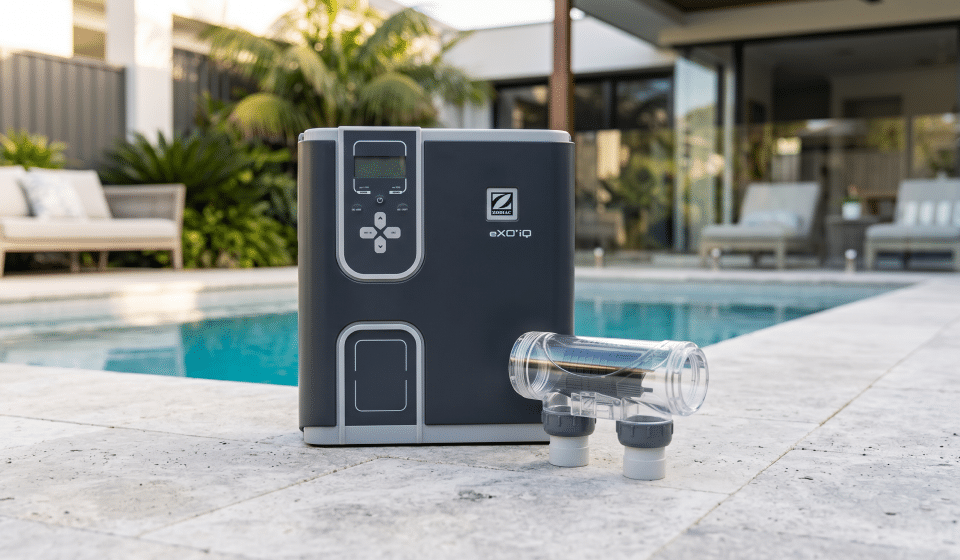
Maintaining clean, healthy pool water requires the right balance of equipment and regular care. While traditional chlorine treatment has been a popular choice for many years, more pool owners are now considering automated systems that simplify maintenance while improving water quality. A salt water pool chlorinator is one of the most common upgrades because it continuously produces chlorine from dissolved salt, helping maintain a cleaner swimming environment with less manual effort.
Installing a saltwater chlorinator is often viewed as a long-term investment rather than simply another pool accessory. It can reduce day-to-day maintenance, provide more consistent sanitisation, and create a more enjoyable swimming experience.
Understanding How a Saltwater Chlorinator Works
A saltwater chlorinator converts dissolved salt into chlorine through a process known as electrolysis. After adding the recommended amount of pool salt, the chlorinator cell generates chlorine as water passes through the system. This chlorine sanitises the pool by eliminating bacteria, algae, and other harmful contaminants.
Although chlorine is still present in a saltwater pool, it is produced gradually rather than being added in concentrated doses. This steady production often results in improved water balance and a more comfortable swimming experience.
Why More Pool Owners Are Choosing Saltwater Systems
The Long-Term Financial Value
One of the first questions many people ask is whether installing a saltwater chlorinator saves money. The initial purchase and installation cost is generally higher than relying on traditional chlorine products, but long-term savings can often offset this investment.
Manual chlorine treatments require ongoing purchases throughout the year. Over time, these recurring costs add up considerably. Since a chlorinator generates chlorine automatically, chemical purchases are typically reduced.
When viewed across the life of the equipment, many households find the overall operating costs to be competitive while enjoying greater convenience.
Better Water Quality Throughout the Swimming Season
Consistent sanitisation is one of the greatest strengths of a saltwater chlorinator. A chlorinator produces chlorine gradually, helping maintain a more stable sanitising level throughout the day. Stable chlorine levels improve water clarity while reducing the likelihood of sudden water quality issues.
This consistency also supports healthier swimming conditions because contaminants are treated continuously rather than waiting until additional chemicals are manually added.
Lower Maintenance Without Sacrificing Performance
Many pool owners appreciate how much easier routine maintenance becomes after installing a saltwater chlorinator. Daily chemical handling is significantly reduced, making regular pool care more manageable.
Routine maintenance still includes checking water balance, inspecting the chlorinator cell, cleaning the filtration system, and monitoring salt levels. However, these tasks are generally less demanding than constantly measuring and adding chlorine.
Environmental and Lifestyle Benefits
Beyond making pool maintenance easier, a saltwater chlorinator can improve the overall swimming experience while reducing the need to handle large amounts of pool chemicals. Some of the key environmental and lifestyle benefits include:
- Reduced Chemical Handling: Less frequent use of packaged chlorine means fewer chemical containers to store, transport, and dispose of.
- Softer Feeling Water: Saltwater is generally gentler on the skin, making swimming more comfortable for both adults and children.
- Greater Comfort For Swimmers: Many people experience less eye irritation and reduced skin dryness compared to pools treated with manually added chlorine.
- Less Noticeable Chlorine Odour: Since chlorine levels remain more consistent, the strong chemical smell commonly associated with traditional pools is often reduced.
- Improved Overall Enjoyment: Cleaner, clearer, and more comfortable water encourages more frequent use of the pool throughout the swimming season.
Is Installation Suitable for Existing Pools?
Many existing swimming pools can be upgraded with a saltwater chlorinator. The installation process typically involves adding the chlorinator unit, connecting the cell to the filtration system, and adjusting water chemistry to achieve the recommended salt concentration.
Working with an experienced pool builder in Ballarat evaluates compatibility and recommends the most suitable chlorinator system for their specific pool design. Choosing equipment that matches the size and usage of the pool is essential for achieving consistent sanitisation and efficient operation.
Conclusion
Installing a saltwater chlorinator can be a worthwhile investment for pool owners seeking easier maintenance, improved water quality, and greater long-term convenience. While the initial purchase cost may be higher than traditional chlorine treatment, the ongoing benefits often outweigh the upfront expense through reduced chemical use, more consistent sanitisation, and a better swimming experience. Selecting the correct system, maintaining proper water balance, and ensuring professional installation all contribute to achieving the best results.
Frequently Asked Questions
How does a saltwater chlorinator produce chlorine?
A saltwater chlorinator uses electrolysis to convert dissolved salt into chlorine as pool water flows through the chlorinator cell.
Is a saltwater pool completely chlorine-free?
No. A saltwater pool still contains chlorine, but the chlorine is generated automatically from salt rather than being manually added in large quantities.
Does a saltwater chlorinator reduce pool maintenance?
Yes. It significantly reduces the need for frequent chlorine dosing while maintaining more consistent sanitisation.
Can an existing swimming pool be converted to a saltwater system?
Most existing pools can be upgraded with a compatible saltwater chlorinator. Professional installation helps ensure the equipment integrates properly with the existing filtration system.
How often should the chlorinator cell be cleaned?
Cleaning frequency depends on water quality and usage, but most cells should be inspected regularly and cleaned whenever mineral deposits begin to affect performance.