How Boulder, Colorado, Homebuyers Can Check Flood, Fire, and Insurance Risks Before Closing
Key Takeaways
- Review flood, drainage, wildfire, and insurance concerns before removing inspection or financing contingencies.
- A standard home inspection is valuable, but it may not identify every location-based risk.
- Insurance availability, deductibles, and coverage terms can materially change the monthly and long-term cost of a home.
- Seller disclosures, permits, public maps, and specialist inspections help buyers make a more complete decision.
- Risk does not automatically make a Boulder-area home a poor choice, but it should be understood, manageable, and within budget.
Buying in Boulder means looking beyond the view, the floor plan, and the distance to trails. Properties can sit near creeks, drainageways, open space, foothill vegetation, or sloped terrain, and each setting can bring practical questions about water, wildfire exposure, maintenance, access, and insurance.
Local guidance can help buyers identify which questions are most relevant to a specific neighborhood or property type. Boulder CO real estate agents The Bernardi Group is a Boulder-based residential and luxury real estate team serving buyers and sellers in Boulder, Louisville, Longmont, Lafayette, Erie, and nearby communities. The Bernardi Group’s local transaction experience can help buyers coordinate due diligence and evaluate area-specific concerns, while independent inspectors, insurance professionals, and legal advisers handle their respective specialties.
Why Risk Checks Belong in the Home Search
Location affects more than scenery. Drainage patterns, roof exposure, vegetation, road access, slope, and nearby waterways can influence maintenance needs, comfort, insurability, and future ownership costs. A home that looks move-in ready may still need gutter work, grading improvements, tree trimming, roof updates, or added wildfire mitigation.
These considerations also matter because insurance costs are part of the total housing cost. A University of Colorado Boulder discussion of how climate risks affect housing and insurance decisions notes that higher insurance costs can affect what buyers are willing to pay and can prompt closer review of long-term exposure.
Start With the Property’s Location
Before scheduling another showing, study the immediate surroundings as closely as the interior. Look for nearby creeks, drainage channels, low-lying areas, steep hillsides, retaining walls, wooded lots, and homes that back directly to open space. These details do not predict a problem on their own, but they identify issues worth investigating.
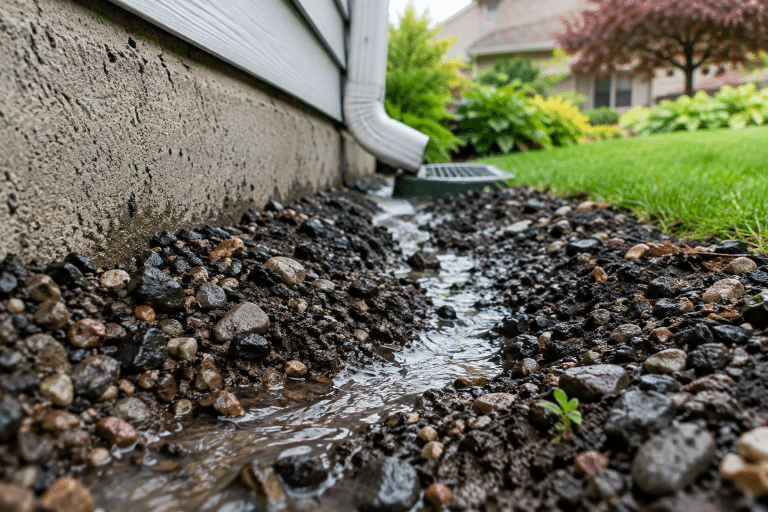
- Walk the lot and look for grading that slopes toward the foundation, water pooling, soil erosion, or stained concrete.
- Check the driveway, street drainage, and route in and out of the neighborhood, especially for properties near the foothills.
- Visit at different times of day to assess shade, wind exposure, traffic, and emergency access.
- If practical, drive through the area after rain to observe where water collects or flows.
- Ask about road closures, evacuation planning, and access challenges during prior severe weather events.
Review Flood Maps and Drainage Information
A mapped floodplain and a general drainage concern are not the same thing. Flood maps identify designated flood-prone areas for regulatory and insurance purposes. At the same time, heavy rain, snowmelt, blocked drains, window wells, or runoff from higher ground can affect homes outside a mapped zone.
Buyers can search the City of Boulder floodplain maps by address to see whether a property is in an identified floodplain. This is an important first step, not a substitute for reviewing the site itself. Ask the seller about previous water intrusion, sump pumps, drainage repairs, flood claims, and basement or crawl-space moisture. During inspection, pay close attention to foundation walls, grading, downspout discharge, window wells, and visible signs of past seepage.
Check Wildfire Exposure and Home Hardening
Wildfire due diligence is especially relevant for homes close to foothill terrain, forested parcels, and open space. A buyer should consider both the broader setting and the condition of the home itself. Roofing, vents, decks, fencing, gutters, siding, nearby vegetation, and access roads can all shape the questions to ask.
- Look for branches that overhang or touch the roof.
- Check whether gutters and roof valleys are clear of accumulated debris.
- Review the condition of exterior vents, siding, decks, and fencing that connect to the home.
- Ask whether defensible-space work, vegetation management, or other mitigation has been completed.
- Request records for roof replacement, exterior renovations, and prior mitigation work when available.
For a foothill or edge-of-open-space home, buyers may also want to ask the City of Boulder or the applicable fire protection district about current mitigation resources, property-specific considerations, and evacuation planning.
Ask Insurance Questions Before Making an Offer
Do not wait until the final days before closing to find out whether coverage is available on acceptable terms. Request an address-specific quote early enough to compare options and understand exclusions, inspection requirements, and deductibles.
- Ask whether the policy provides replacement-cost coverage and how the dwelling limit was calculated.
- Compare deductibles for wind, hail, wildfire, and other covered losses.
- Confirm whether flood insurance requires a separate policy.
- Ask whether roof age, roof material, vegetation, or location affects eligibility or pricing.
- Find out whether the carrier requires an inspection, repairs, or mitigation before binding coverage.
- Add the premium and likely maintenance costs to the full monthly housing budget.
Use the Inspection Period Wisely
A general inspection is the starting point. Depending on what the property disclosures or initial inspection reveal, a buyer may need a more focused evaluation. Potential follow-up services can include a roof inspection, a sewer scope, a structural or foundation review, a chimney inspection, mold or moisture testing, a tree-risk assessment, a drainage evaluation, or a geological review for a hillside property.
Read every report before the applicable contract deadline. Request repair estimates where appropriate, distinguish urgent issues from routine upkeep, and evaluate whether the likely cost fits the purchase plan.
Review Seller Disclosures and Public Records
Disclosures can help identify a home’s repair history, but buyers should compare written answers with inspection findings and available records. Ask for documentation related to water damage, fire damage, insurance claims, drainage work, foundation repairs, roof replacement, additions, decks, retaining walls, and major renovations.
Permit history may clarify whether visible improvements were formally approved. If key answers are vague, missing, or inconsistent with the property’s condition, seek clarification before deadlines pass.
A Simple Pre-Closing Risk Checklist
- Review floodplain and drainage information for the address.
- Obtain insurance quotes before finalizing the purchase decision.
- Read seller disclosures and collect available repair records.
- Complete a general inspection.
- Order specialist inspections when the home or site warrants them.
- Review permits for significant improvements.
- Estimate future maintenance and mitigation costs.
- Confirm that the property remains affordable after these costs are included.
Common Questions Buyers Ask
Can a home outside the floodplain still flood?
Yes. Water can enter a property because of heavy rain, drainage failures, runoff, poor grading, blocked culverts, or groundwater and basement moisture issues. Floodplain status is important, but it is not the only water-related question to investigate.
Is wildfire risk a reason to avoid a Boulder-area home?
Not necessarily. The key question is whether the exposure is understood, the property is insurable, practical mitigation is available, and the expected costs fit the buyer’s budget and comfort level.
What if an inspection identifies a serious concern?
Depending on the purchase contract and timing, a buyer may be able to seek repairs, request a credit, obtain additional inspections, renegotiate, or terminate the contract. Buyers should review their options promptly with their real estate and legal professionals.
Final Perspective
A careful Boulder home search considers the land and the systems around the home, not just the finishes inside it. Reviewing flood exposure, drainage, wildfire conditions, insurance options, repair history, and inspection findings early gives buyers a clearer picture of the true cost of ownership before closing.

