How to Protect a Daily-Driven Car From Texas Heat, Sun, Dust, and Road Debris in Universal City, TX
In Universal City, a daily-driven vehicle can face intense sunshine, high cabin temperatures, dusty roads, sudden rain, and debris from busy routes near Loop 1604 and Interstate 35. Building a realistic care routine, including options such as ceramic coating for cars in Universal City, TX, can help drivers protect appearance, comfort, and visibility without treating every product as a cure-all.
The key concern in vehicle maintenance is repeated exposure, leading to increased wear and tear, particularly for vehicles parked outdoors or frequently driven on highways. Early detection of minor issues such as dust, bug residue, and paint chips is essential. Assessing usage patterns such as vehicle age, paint condition, parking habits, annual mileage, and common road types helps in creating a targeted maintenance plan. For instance, a commuter in an open lot may focus on UV protection, while a Texas highway driver may prioritize front-end chips and tire condition.
Drivers comparing services can search for automotive ceramic coating near me, but the best option is one that fits the vehicle’s condition and the owner’s willingness to maintain it. It also helps to review the vehicle regularly so small signs of wear can be addressed before they become more difficult or costly to manage. A consistent maintenance approach can keep the vehicle looking its best while supporting long-term comfort, protection, and everyday reliability.
Why Texas Conditions Are Hard on Cars
Central Texas heat can accelerate fading on paint, trim, dashboards, seats, and weather seals. Fine dust acts like an abrasive if wiped across dry paint, while loose gravel, construction residue, and highway debris can chip bumpers, hood edges, mirrors, and rocker panels. Heat also changes tire pressure, making regular checks especially important before longer summer drives.
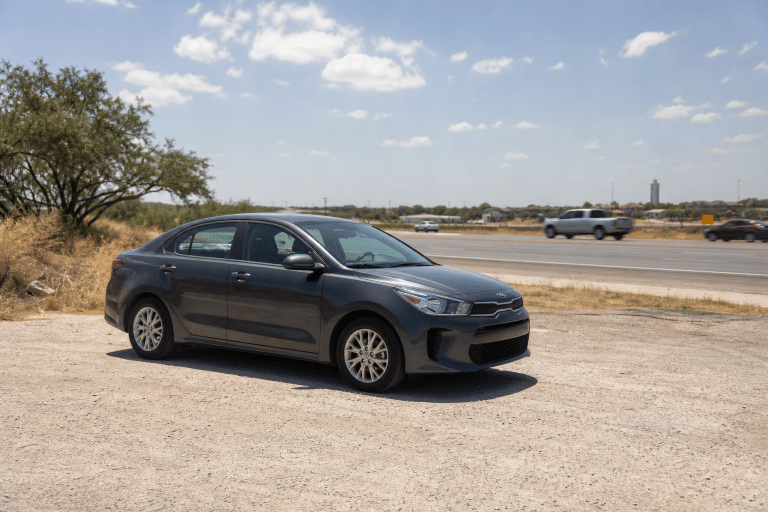
Build a Simple Vehicle Protection Plan
- Identify the surfaces that show wear first, such as the hood, windshield, driver’s seat, or wheel arches.
- Repair chips, failing trim, and damaged seals before covering them with protective products.
- Choose protection based on daily use rather than appearance alone.
- Set a cleaning and inspection schedule that is easy to maintain.
- Review results after a season of driving through Universal City conditions.
Outdoor parking requires sun protection and interior protection. Frequent highway use calls for attention to paint chips and glass. Family vehicles benefit from stain control and easy-clean surfaces, while low-mileage cars still need tire, battery, and seal inspections.
Choose Window Protection With Care
Window film choices involve more than darkness. Heat rejection, glare control, UV filtering, nighttime visibility, and the glass already installed on the vehicle all matter. The combined light transmission of factory glass and added film should be considered before installation.
Drivers should review the Texas window tinting standards before making a decision, particularly for the windshield and front side windows. Use approved cleaning methods after installation, allow the film to fully cure, and avoid sharp tools or unapproved ammonia-based cleaners. Tint should support comfort, not compromise safe visibility.
Guard Paint From Sun and Road Debris
Exterior protection comes in several forms. Wax is simple but generally needs frequent renewal. Sealants tend to last longer with straightforward upkeep. Ceramic coatings can make washing easier by improving water behavior on a properly prepared surface. Paint protection film provides a physical layer in high-impact areas. None of these options makes paint immune to damage.
Prioritize the front bumper, hood edge, mirrors, door cups, lower rocker panels, and the areas behind each wheel. Clean contamination from bird droppings, tree sap, bugs, and fuel spills quickly, since heat can make these residues more difficult to remove safely.
Keep the Interior Cooler and Cleaner
A windshield sunshade, shaded parking, and regular interior cleaning can reduce stress on dashboards, screens, leather, vinyl, plastics, and fabric. Wipe spills promptly, remove damp towels and food containers, and use products suitable for the specific interior material.
Heat safety is equally important. Texas health guidance explains that parked vehicles can heat rapidly and that cracked windows do little to create a safe cabin. Never leave a child or pet unattended, and make a habit of checking the back seat before locking up, especially after a routine change. The state’s hot-car safety guidance for Texas families offers practical reminders for preventing a tragedy.
Follow a Practical Cleaning Routine
- Rinse loose dirt away before touching painted surfaces.
- Use separate wash tools for wheels and paint.
- Wash from the top down, then dry with clean microfiber towels.
- Clean glass without leaving a hazy film.
- Inspect paint, trim, lights, and glass after drying.
Avoid rubbing dry dust with a towel, using one dirty cloth everywhere, or washing in direct afternoon sun when possible. Automatic brushes and neglected towels can also leave fine scratches over time.
Check Tires, Trim, and Exterior Parts
Inspect tire pressure and tread, sidewall cracks, wheel damage, wiper blades, headlight clarity, loose trim, and weather stripping at least monthly. Check tire pressure when tires are cold, and follow the pressure listed on the vehicle’s door-jamb placard rather than the maximum number molded into the tire sidewall.
Avoid Common Car-Care Mistakes
- Applying protectants over dirty or damaged surfaces.
- Choosing tint only by how dark it looks.
- Ignoring small paint chips until corrosion begins.
- Using household cleaners on sensitive automotive materials.
- Skipping tire checks before a summer road trip.
- Leaving sap, bird droppings, or bug residue on hot paint.
Use a Seasonal Maintenance Checklist
Every Week
- Remove trash, moisture, and food from the cabin.
- Check tires visually and rinse off heavy dust.
Every Month
- Inspect paint chips, glass, wipers, seals, and exterior trim.
- Clean mirrors, lights, and interior touch surfaces.
Every Three Months
- Deep-clean the interior and refresh exterior protection as needed.
- Examine high-impact areas for new chips or abrasion.
Before a Long Trip
- Check tire pressure, tread, cooling system condition, and battery health.
- Clean the windshield and lights, then pack water, emergency supplies, and a phone charger.
Final Thoughts
Protecting a daily driver in Universal City is less about buying every available upgrade and more about staying consistent. A few smart habits each week can preserve comfort, paint, visibility, and long-term resale appeal through Texas heat, dust, sun, and road travel.


