How Light Control Helps You Recover From Jet Lag Faster
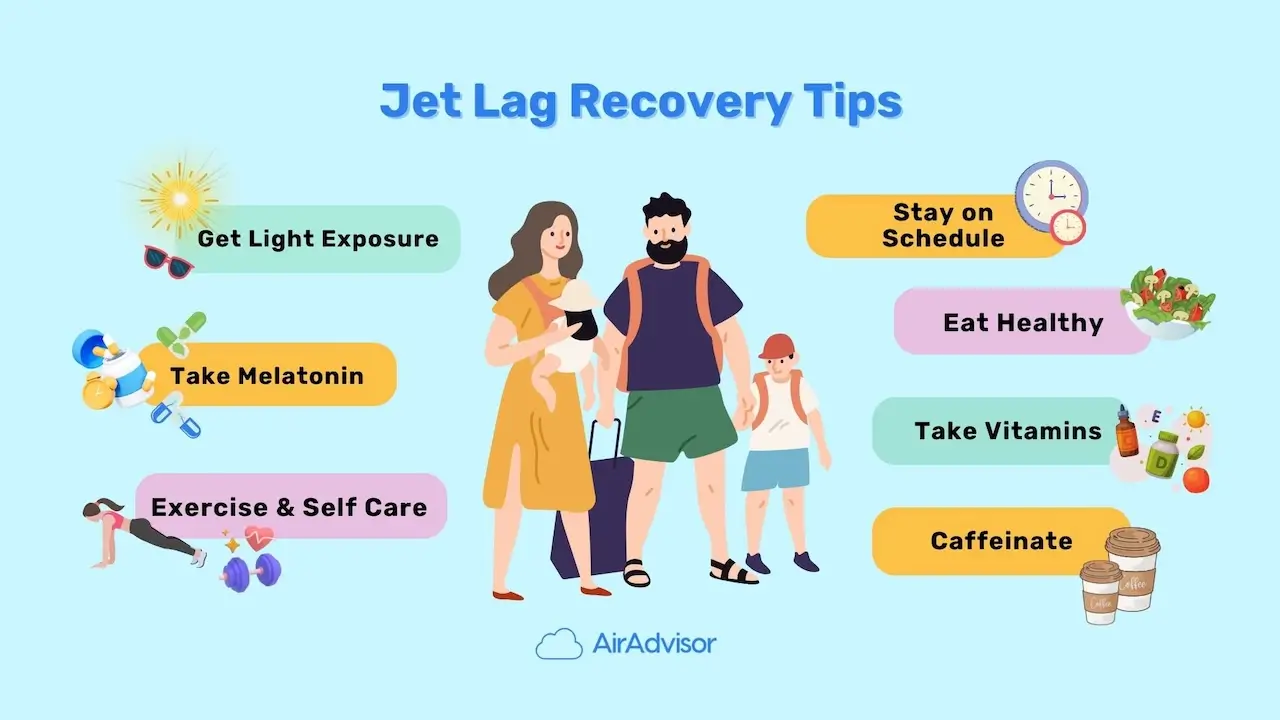
Jet lag has less to do with tiredness and more to do with timing. The body’s internal clock is set primarily by light exposure, and when that clock is out of sync with the local time zone, no amount of caffeine or willpower fully compensates. Getting the light environment right, especially at home after landing, is one of the most effective and most overlooked tools for recovery.
Most jet lag advice focuses on what happens during the flight or the first day. Fewer people talk about the bedroom itself, and specifically how much daylight is leaking into it at the wrong hours during the adjustment period.
Why Light Timing Matters More Than Light Amount
The circadian rhythm relies on light and darkness as its main scheduling signal. Morning light tells the body to feel alert, and darkness in the evening signals it to prepare for sleep. Jet lag disrupts this because the traveler’s internal clock still expects light and dark cues from the old time zone, not the new one.
This is why simply “getting more sleep” does not fix jet lag on its own. If a light-sensitive body clock is exposed to bright light at the wrong moment, whether from an open blind at 5am or a poorly darkened room at what should be bedtime, the internal clock resets more slowly, sometimes taking several extra days to align.
The Two-Sided Problem: Too Much Light, Too Little Light
Recovering from jet lag actually requires control in both directions, not just darkness.
- Morning and daytime light exposure in the new time zone helps push the body clock forward, especially useful for eastward travel, which tends to cause more severe jet lag
- Blocking light during the local night, even if the traveler’s body still thinks it is midday, is what allows the sleep pressure that has built up to actually convert into rest
The second part is where most home environments fall short. A bedroom with light leaking in around blinds or curtains undermines exactly the kind of deep, uninterrupted sleep the body needs during readjustment.
What This Looks Like in PracticeThe First 48 Hours Matter Most
The initial one to two nights after arrival tend to set the pace for the rest of the adjustment period. Poor sleep on night one, often caused by light exposure at the wrong hour, can extend the entire recovery window by several days.
Edge Gaps Undo the Effort
Even a well-timed light strategy fails if the room itself lets in early morning sun through gaps around a blind or curtain. Full-coverage darkness matters more here than in an ordinary sleep routine, since the goal is not just comfort but actively correcting a misaligned internal clock. Anyone assessing whether their current window coverage is actually sealed rather than just dim can start with a blackout blind measuring guide to identify where light is most likely getting through.
Frequent Travelers Benefit From a Permanent Setup
For occasional trips, a temporary fix like a travel eye mask is reasonable. For anyone who travels across time zones regularly, whether for work or personal reasons, investing in a properly darkened bedroom at home becomes far more valuable, since jet lag recovery happens repeatedly rather than as a one-off event.
Common Mistakes
- Assuming daytime napping alone will fix the misalignment, without addressing light exposure timing
- Keeping curtains or blinds only partially closed during the adjustment period, allowing enough light through to interfere with the body clock reset
- Not accounting for how much earlier or later sunrise falls in the new time zone compared to home
- Overlooking installation options for renters or frequent movers who assume a proper blackout setup requires permanent wall fixtures
Setting Up a Room That Actually Supports Recovery
For anyone who travels often enough that jet lag is a recurring issue, the most useful long-term fix is a bedroom that can go fully dark on demand, regardless of what time the sun happens to rise locally. This does not require a permanent renovation. Renters and frequent movers can look into no-drill window blind installation as a way to get a sealed, edge-to-edge setup without needing to alter the wall or window frame itself.
Frequently Asked QuestionsDoes blocking light actually speed up jet lag recovery?
Yes. Since the circadian rhythm is primarily regulated by light exposure, controlling when a person is exposed to light and darkness directly affects how quickly the internal clock resets.
Is daytime napping enough to fix jet lag on its own?
Not usually. Naps can relieve tiredness temporarily, but without correcting the light exposure pattern, the underlying clock misalignment tends to persist.
Why does the first night after travel matter so much?
Poor sleep quality on the first night, often caused by light interference, can slow the entire adjustment process, sometimes extending recovery by several additional days.