What to Look for in a Reliable Warehousing & Distribution Solutions Partner
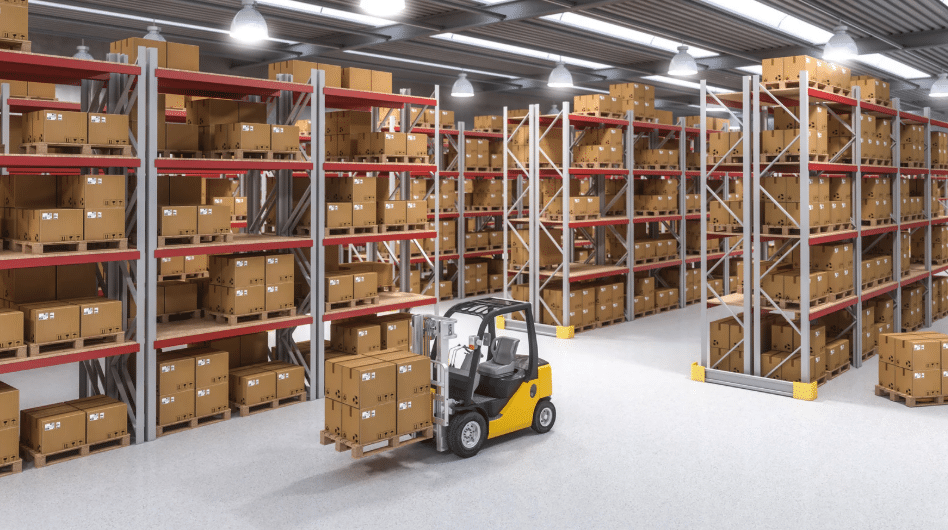
The backbone of any successful retail or manufacturing business lies in the efficiency and reliability of its supply chain management. As customer expectations for speed and accuracy continue to rise, companies must rely on robust infrastructure to keep pace with market demand. Finding a partner that offers comprehensive warehousing & distribution solutions is essential for streamlining operations and ensuring products reach their final destination on time. A reliable logistics ally acts as an extension of your brand, protecting your reputation through consistent performance and professional handling of every item.
Evaluating Technological Integration
Modern logistics is driven by data and connectivity, making technology a non-negotiable factor during the selection process for a new partner. A provider must possess advanced systems that provide total visibility into the movement of goods from the moment of receipt to final dispatch. The ability to see stock levels at any given moment allows businesses to make informed decisions about replenishment and sales strategies without guesswork.
Advanced warehouse management systems ensure that every item is tracked with precision, reducing the risk of lost inventory or unexpected stockouts. This digital transparency fosters trust and allows for seamless integration with your own internal platforms, creating a unified flow of information. Access to accurate data empowers leadership to forecast trends and adjust inventory levels dynamically, which ultimately reduces carrying costs and improves cash flow.
Automation and Accuracy
Automated technologies such as conveyor systems and robotic pickers significantly reduce human error in the fulfillment process. These tools increase the speed of processing orders while maintaining a high level of accuracy, which is vital for maintaining customer satisfaction ratings. A partner who invests in these innovations demonstrates a commitment to efficiency and continuous improvement, ensuring your operations remain competitive in a fast-paced market. Reliability in order accuracy means fewer returns and complaints, which directly strengthens the relationship between your brand and your customers.
Strategic Infrastructure and Location
The physical assets and geographical positioning of a provider determine their ability to serve your specific market effectively. It is crucial to assess whether their network aligns with your distribution goals and customer base to minimize transit times. Different logistics models serve different purposes, and understanding the distinct operational differences between warehousing and distribution centers helps in selecting the right facility for your needs. Some operations require long-term storage facilities where goods are held until demand arises, while others need rapid throughput facilities designed to move goods quickly to consumers. Choosing a partner who understands these nuances ensures that your inventory is housed in an environment optimized for your specific turnover rates and delivery expectations. This alignment prevents bottlenecks and ensures that the facility supports your speed to market requirements.
Scalability for Future Growth
Business needs rarely remain static, and a good partner must have the physical capacity to grow alongside your company. This means having flexible storage options that can expand during peak seasons or contract when demand slows down without penalty. Scalability prevents the need to switch providers as your volume increases, ensuring operational continuity and stability. Access to a broad network of facilities allows for market expansion without the heavy capital investment of building your own infrastructure. A partner with a scalable mindset ensures that logistics never becomes a limiting factor in your business development plans.
Conclusion
Selecting the right logistics partner is a strategic decision that impacts every aspect of the supply chain, from cost management to the final customer experience. By prioritizing technological capability and strategic infrastructure choices, businesses can build a resilient foundation for long-term success. Trusting a professional team to manage these complex operations allows leadership to focus on core growth initiatives while ensuring that logistics run smoothly in the background.


