Importance of Mold Cleaning Services After Water Leaks
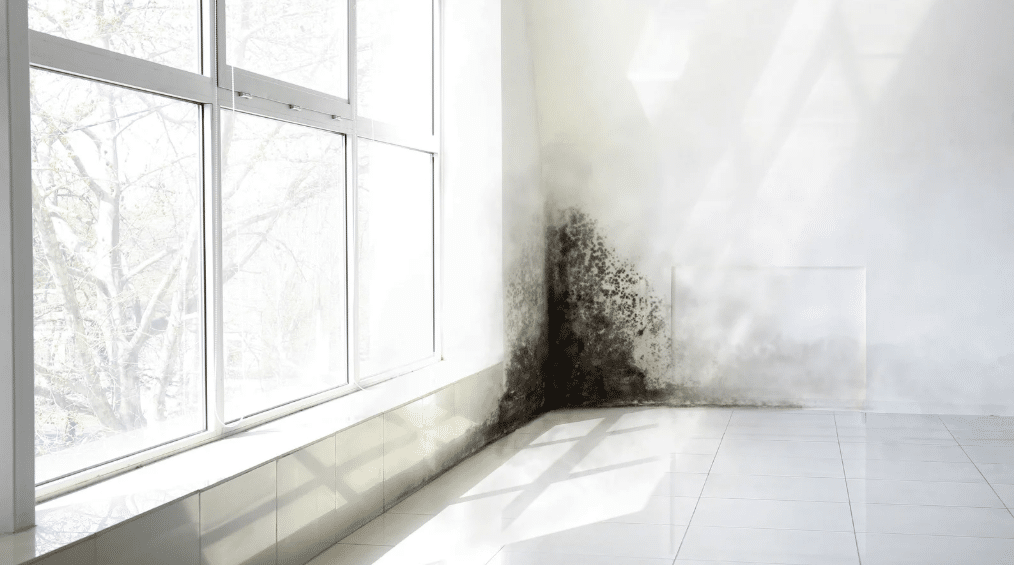
Water leaks often seem like a simple maintenance issue, but the hidden impact can be far more serious. Moisture seeps into walls, subfloors, and insulation long before surfaces appear dry. Within a short time, mold can begin forming in concealed areas, spreading unnoticed. That’s why contacting a mold removal company in Atlanta soon after a leak is critical. Early professional attention reduces structural damage and prevents contamination from reaching unaffected spaces. Ignoring post-leak moisture allows conditions to worsen quickly.
Why Water Leaks Create Ideal Conditions for Mold
Even small plumbing failures or roof drips introduce moisture into building materials that are designed to stay dry. Drywall, wood framing, and flooring layers absorb water and retain it, especially when airflow is limited. This trapped dampness creates the perfect environment for mold spores to grow and multiply.
Once colonies develop, spores can travel through air systems and wall cavities, expanding the affected area beyond the original leak. What begins as a localized issue often becomes a widespread indoor air concern if not handled promptly.
Moisture Doesn’t Stay Where the Leak Occurs
Before examining cleaning methods, it’s important to recognize how far moisture can migrate. Water travels through porous materials, spreading laterally and downward due to gravity. By the time visible staining or odor appears, dampness may already be present behind walls or beneath flooring. Professional moisture detection tools help locate hidden saturation that would otherwise go untreated.
Why Professional Mold Cleaning Is Essential
A short pause here highlights why proper intervention matters. Addressing post-leak contamination involves more than drying surfaces. Understanding the reasons to never DIY mold removal helps explain why trained specialists follow structured containment and removal procedures. Professional cleaning includes isolating affected zones, removing compromised materials, filtering air, and correcting moisture sources to prevent regrowth.
Without these steps, disturbed spores can spread further, leading to recurring problems and increased structural impact.
Health and Structural Considerations
Water-damaged materials lose strength over time, and mold growth accelerates deterioration. Wood can weaken, drywall may crumble, and insulation can lose effectiveness. At the same time, airborne spores can affect indoor air conditions, making the space less comfortable for occupants.
Professional cleaning services address both the physical damage and the contamination source. This comprehensive approach ensures the building structure is stabilized and the environment is properly treated.
Preventing Further Contamination After a Leak
A brief overview of preventive measures shows why timing is critical. Immediate water extraction and structural drying limit how deeply moisture penetrates materials. Air filtration and containment prevent spores from spreading during the cleaning process. Professionals also evaluate ventilation, humidity levels, and insulation gaps to reduce the chance of recurring issues.
Addressing only the visible damage leaves hidden moisture behind, allowing mold to return even after surfaces appear restored. Thorough service ensures both seen and unseen areas are treated.
Long-Term Indoor Protection
Post-leak cleaning is not just about immediate recovery. Specialists assess the broader environment, including airflow patterns and drainage performance around the structure. These factors influence how future moisture events impact the property. Correcting underlying vulnerabilities provides longer-lasting protection against repeated contamination.
Conclusion
Moisture intrusion from leaks creates hidden conditions that allow contamination to develop rapidly inside structural materials. Professional cleaning, moisture detection, and environmental correction work together to limit damage and restore stable indoor conditions. Taking prompt action ensures affected areas are properly treated and reduces the risk of future structural and air quality concerns.