How Training Programs Are Integrating Borescope Use for Aviation Students
Aviation maintenance is evolving, and with it, so are the tools used to inspect, diagnose, and maintain aircraft engines. As remote visual inspection (RVI) becomes a core requirement for modern turbine and piston engine maintenance, aviation schools across the United States are updating their programs to ensure new technicians are skilled with the latest borescope technology. According to aviation maintenance education resources, hands-on exposure to inspection tools is now a standard part of most training programs, supporting FAA-aligned competencies and job readiness. In addition, leading educational institutions emphasize that real-world equipment — including video borescopes — is critical for preparing students for industry expectations.
Today’s borescopes, especially the systems used for business jet, private jet, and helicopter engine inspections, are far more advanced than the rigid scopes of decades past. With bright LEDs, image capture, video recording, and articulate 4mm probes with up to 1.5 meters of working length, modern scopes help students learn how to examine engines in ways that would be impossible through disassembly alone. Aviation schools recognize this shift and are integrating these tools early in training, ensuring graduates can confidently perform borescope inspections from day one on the job.
Why Borescope Skills Are Becoming Essential in Aviation Training
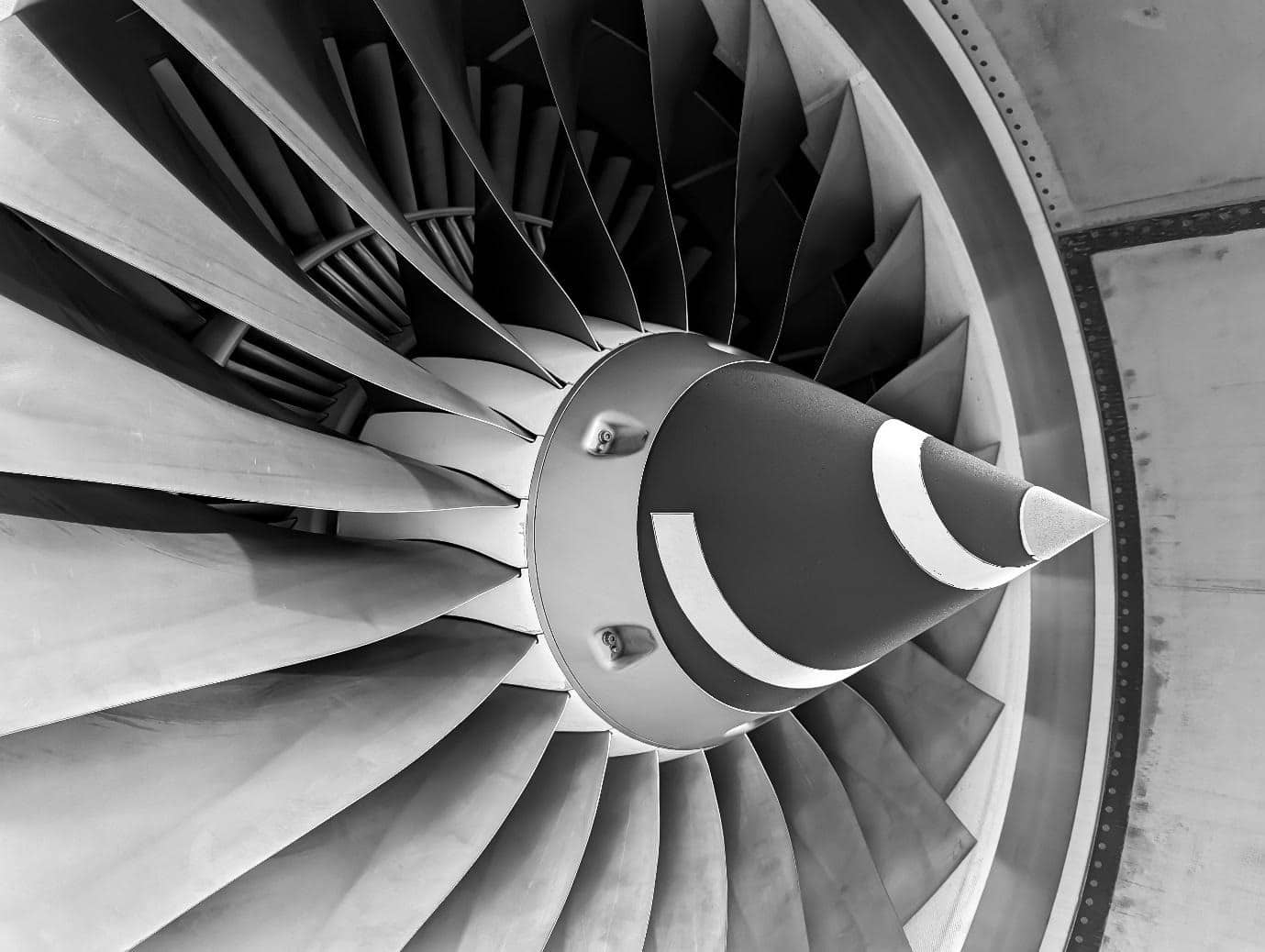
Modern aircraft engines — whether piston, turbofan, or turboshaft — rely heavily on internal condition monitoring. Because many engine components cannot be visually accessed without teardown, borescopes provide a non-destructive, fast, and reliable way for technicians to inspect:
- Compressor blades
- Turbine sections
- Combustion chambers
- Oil and fluid passages
- Internal housings and seals
These inspections are not optional anymore. Airlines, MRO facilities, fleet operators, and helicopter services expect technicians to be proficient with inspection cameras during routine checks, troubleshooting, and pre-purchase evaluations. Schools are adapting accordingly.
By introducing borescopes during early coursework, students learn not only how to operate the tools, but also how to interpret inspection imagery — distinguishing normal wear from corrosion, burns, cracking, foreign object damage, carbon accumulation, or early-stage abnormalities.
Hands-On Curriculum: Teaching Students the Full RVI Workflow
Aviation maintenance programs are moving far beyond books and classroom demonstrations. Schools now emphasize hands-on RVI labs that train students to:
1. Use Real Borescopes Early in Training
Students are introduced to rigid borescopes, flexible fiber-based scopes, and modern videoscopes with articulating tips. They learn insertion techniques, articulation control, illumination, and how to move scopes through complex engine pathways.
2. Operate Video Capture and Documentation Features
Because video and image recording are standard features in professional aviation-grade scopes, training programs teach students to document findings in compliance with maintenance logs, inspection protocols, and regulatory standards.
3. Identify Engine Wear and Anomalies
Through repeated exposure, students practice identifying early-stage corrosion, carbon build-up, erosion, thermal stress patterns, blade-tip rubbing, seal deterioration, and foreign object damage — all essential to real-world maintenance decision-making.
4. Follow Safety and Handling Protocols
Schools reinforce proper scope care and usage practices, mirroring real aviation shops, including handling delicate probes, protecting articulation cables, and maintaining image clarity.
5. Perform Turbine, Piston, and Helicopter Engine Inspections
Because borescope inspections vary between engine types, schools ensure students gain exposure to multiple engine designs. Helicopter engines especially rely heavily on borescope inspection due to their compact internal layouts.
Preparing Students for Modern Industry Standards
Aviation maintenance employers expect incoming technicians to be job-ready. Borescope experience is no longer an added skill — it’s an industry expectation.
Training programs use borescopes to prepare students to meet the following modern standards:
- FAA Part 147 A&P training requirements
- OEM maintenance manual procedures
- MRO standard operating practices
- Pre-purchase inspection protocols
- Warranty claim documentation requirements
- Predictive maintenance workflows
Students who master borescope inspection are more competitive candidates for roles in business aviation, commercial aviation, military maintenance, helicopter operations, and corporate jet fleet services.
How USA Borescopes Supports Aviation Training Programs
Aviation schools need durable, classroom-friendly tools that withstand repeated student use. This is where USA Borescopes excels. They provide borescopes and videoscopes specifically suited for training environments, including the commonly used 4mm diameter, 1.5-meter articulating scopes designed for turbine engine inspection.
Additionally, their repair services — offered at no cost for evaluations on any make or model — make them a practical partner for educational institutions managing high equipment usage. For schools needing temporary equipment, USA Borescopes also provides rentals within the continental U.S., with overnight shipping available when FedEx can reach the location.
These services help maintain reliable training equipment and ensure students gain real, industry-relevant experience.
Conclusion
As aviation technology becomes more advanced, so must the training that prepares the next generation of aircraft technicians. Integrating borescopes into aviation maintenance programs ensures students gain essential experience with modern inspection techniques, helping them meet real-world standards from the moment they enter the workforce. With the aviation industry increasingly relying on remote visual inspection, hands-on training with high-quality borescopes is no longer optional — it’s foundational.
USA Borescopes – Remote Visual Inspection Specialist
USA Borescopes offers a wide selection of industrial videoscopes, pipe cameras, rigid borescopes, intrinsically safe systems, and fiberscopes, with many units in stock and ready to ship. Aviation training programs and professionals alike can explore their complete range of inspection tools through the products catalog to find the best fit for educational and real-world applications.
They also provide borescope repair services for any make or model with no-cost repair evaluations, and they offer borescope rentals anywhere in the continental U.S. If you need expert assistance or want to equip your training facility with reliable inspection tools, call now for world-class support.
Author Bio
Written by Jordan M. Halstead, an aviation technology writer and former A&P program instructor with over 10 years of experience in aircraft maintenance education. Jordan specializes in remote visual inspection training, turbine engine maintenance, and curriculum development for FAA-approved aviation programs. Passionate about preparing the next generation of aviation professionals, Jordan works closely with training institutions to promote hands-on learning and modern diagnostic proficiency.